
The Benefits of Concrete Driveways in Cold Climates
Concrete driveways take a beating in North Iowa. Freezing temperatures, heavy snow, road salt, and repeated freeze-thaw cycles through winter and spring put every driveway material to the test. For homeowners in Mason City, the choice of material is not just about looks. It is about what holds up year after year without constant repair bills.
Concrete has been the go-to choice for cold-climate driveways for decades, and for good reason. Here is what makes it worth the investment.
Concrete Stands Up to Freeze-Thaw Cycles
The biggest threat to any driveway in a cold climate is the freeze-thaw cycle. Water seeps into small cracks or porous surfaces, freezes, expands, and widens those cracks over time. Repeat that process dozens of times each winter and spring, and a weak driveway surface deteriorates fast.
Properly installed concrete handles this better than most materials. A well-mixed, adequately thick slab with proper control joints limits where cracking can occur and reduces the damage that seasonal movement causes. What most homeowners do not realize is that slab thickness matters as much as the mix itself. A residential driveway in a cold climate should be poured at a minimum of four inches, and ideally six in areas with heavy vehicle traffic. Control joints give the concrete a place to move without cracking in unpredictable directions. A contractor who skips or spaces them incorrectly is setting the driveway up for early failure.
It Requires Less Maintenance Over Time
One of the strongest arguments for concrete is how little upkeep it demands compared to other materials. Asphalt needs to be sealed every few years. Pavers shift and need to be releveled. Gravel migrates and needs to be replenished. A concrete driveway, once cured and sealed, asks very little of you.

That said, maintenance done at the right time makes a real difference. Small cracks are inexpensive to fill and seal, but left alone through another winter, they widen as water freezes inside and forces the edges apart. A quick inspection each spring, after the ground fully thaws, catches problems early and keeps repair costs low.
Concrete Lasts Longer Than the Alternatives
The lifespan of a concrete driveway in a well-maintained North Iowa home typically runs 30 years or more. Asphalt averages closer to 15 to 20 years under similar conditions. That gap matters when you factor in the cost of replacement.
A concrete driveway costs more upfront, but the investment pays off over time. Two asphalt driveways over 30 years, each with sealing costs along the way, frequently add up to more than a single concrete pour that outlasts both of them. The math tends to favor concrete once you look past the initial estimate, and the same principles behind quality concrete installation apply whether you are looking at a driveway, a patio, or a foundation.
It Handles Heavy Loads Without Damage
Concrete does not flex under weight the way asphalt does. For homeowners with heavy trucks, trailers, or equipment that regularly uses the driveway, that rigidity is an advantage. Asphalt can rut and deform under repeated heavy loads, especially in warmer months when the surface softens. Concrete holds its shape regardless of the season.
This also matters in Iowa winters when plow trucks and heavy equipment operate on or near your driveway. A rigid surface resists damage from blade contact far better than a soft one. For homeowners who want a concrete driveway built to last, the same durability that makes concrete the standard choice for commercial lots and loading areas translates directly to residential use.
Salt and Snow Removal Are Easier to Manage
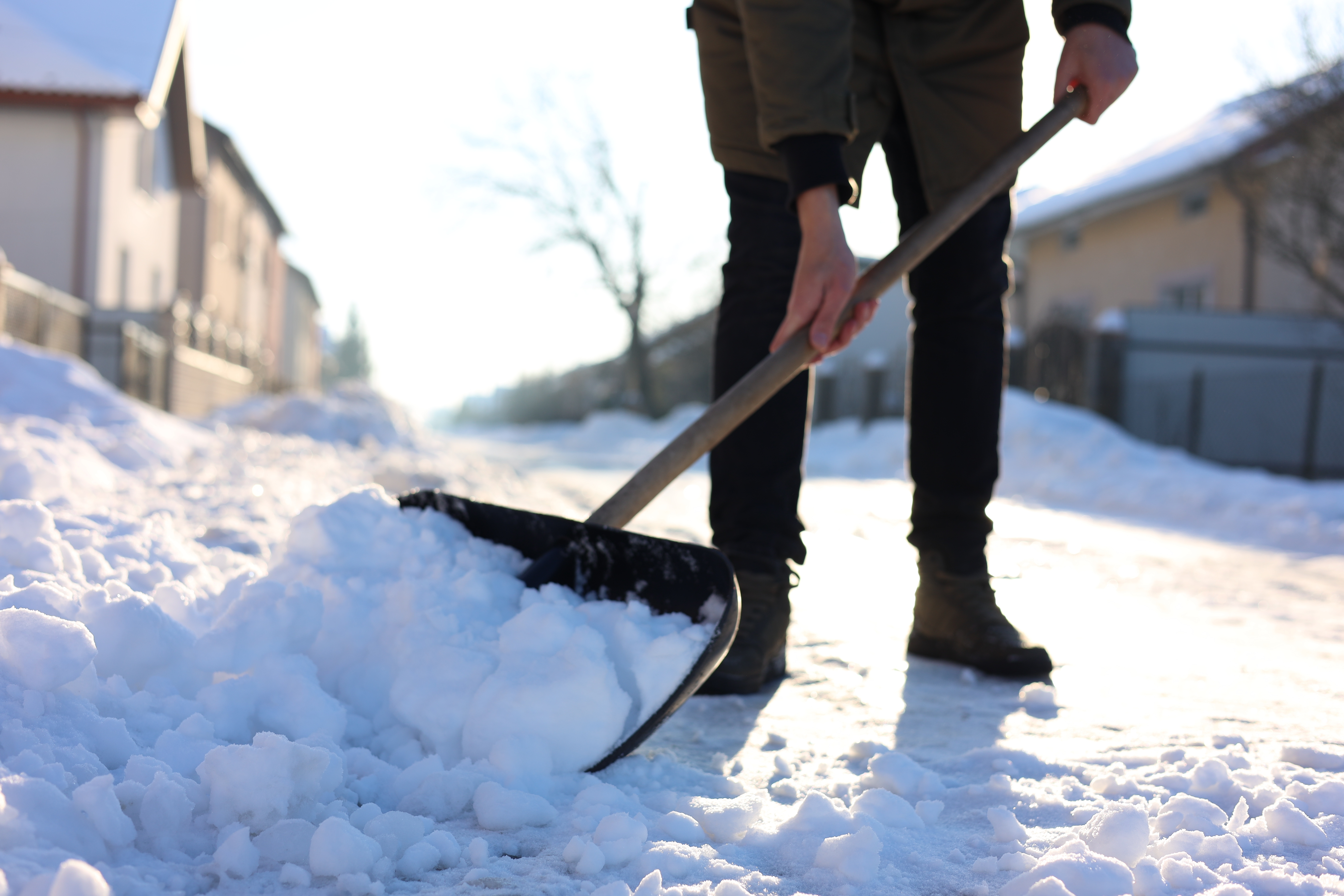
A smooth, solid concrete surface is easier to plow and shovel than uneven pavers or soft asphalt. Snow removal equipment moves across it cleanly without catching edges or pulling up material.

One note worth knowing: harsh deicing salts can damage concrete in the first few winters after a pour when the surface is still curing. Sodium chloride and calcium chloride draw moisture into the concrete and accelerate surface scaling on a new slab. A penetrating concrete sealer applied after the curing period gives the surface meaningful protection against both moisture and salt intrusion.
For new driveways in their first winter, sand provides traction without the chemical damage. After the first year, properly sealed concrete handles standard deicers without significant harm. Homeowners who want to stay ahead of winter maintenance can also read up on concrete sidewalk snow removal in Mason City for a closer look at how to protect concrete surfaces through the season.
What to Watch for in an Aging Driveway
Not every driveway needs to be replaced right away, but some warning signs are worth taking seriously.
Hairline cracks along control joints are normal. Wider cracks that have shifted vertically indicate more significant movement underneath. Spalling, where the surface layer flakes or pits, is a sign of freeze-thaw damage or salt exposure that has worked into the slab. Drainage problems, where water pools on the surface or runs toward the foundation, point to grading issues a replacement should correct.
Is Concrete the Right Choice for Your Property?
For most Mason City homeowners, yes. The combination of durability, low maintenance, and long lifespan makes it the most cost-effective driveway material over time in a cold climate.
The key is proper installation. Concrete mixed correctly, poured at the right thickness, and finished with proper control joints will outlast a poorly installed slab by decades. Cutting corners on installation erases most of the advantages concrete offers.
If your driveway is cracked, uneven, or simply at the end of its life, Larry Elwood Construction has been helping Mason City homeowners get it right since 1983. Browse our concrete services to see what we offer, or request a free estimate and find out what a properly installed concrete driveway can do for your property.